How to Create a Calorie Deficit Without Extreme Restriction
How to Create a Calorie Deficit Without Extreme Restriction
Creating a calorie deficit is essential for weight loss, but extreme restriction leads to burnout and health problems. This guide explores sustainable approaches.
Understanding Calorie Deficit
A calorie deficit occurs when you consume fewer calories than your body burns. A deficit of 300-500 calories daily results in sustainable weight loss.
Healthy Deficit Strategies
1. Increase Physical Activity
Rather than drastically cutting calories, increase energy expenditure:
- Add 30 minutes of daily walking
- Include strength training 2-3 times weekly
- Incorporate daily movement
2. Swap, Don't Eliminate
Replace high-calorie foods with nutrient-dense alternatives:
- Whole grains instead of refined carbs
- Lean proteins instead of fatty cuts
- Water instead of sugary drinks
- Whole fruits instead of juices
3. Optimize Macronutrients
Proper macronutrient balance supports satiety:
- Higher protein intake increases fullness
- Fiber-rich carbs provide sustained energy
- Healthy fats support hormone production
4. Mindful Eating
Slow eating and awareness reduce overeating:
- Eat without distractions
- Chew thoroughly
- Stop when satisfied, not stuffed
- Recognize hunger vs. boredom
Foods That Support Deficit
- Vegetables (low calorie, high volume)
- Lean proteins (chicken, fish, legumes)
- Whole grains (sustained energy)
- Healthy fats (nuts, olive oil)
- Water and unsweetened beverages
Avoiding Extreme Restriction
Never:
- Skip meals
- Eliminate entire food groups
- Consume under 1200 calories daily
- Rely on supplements instead of food
Conclusion
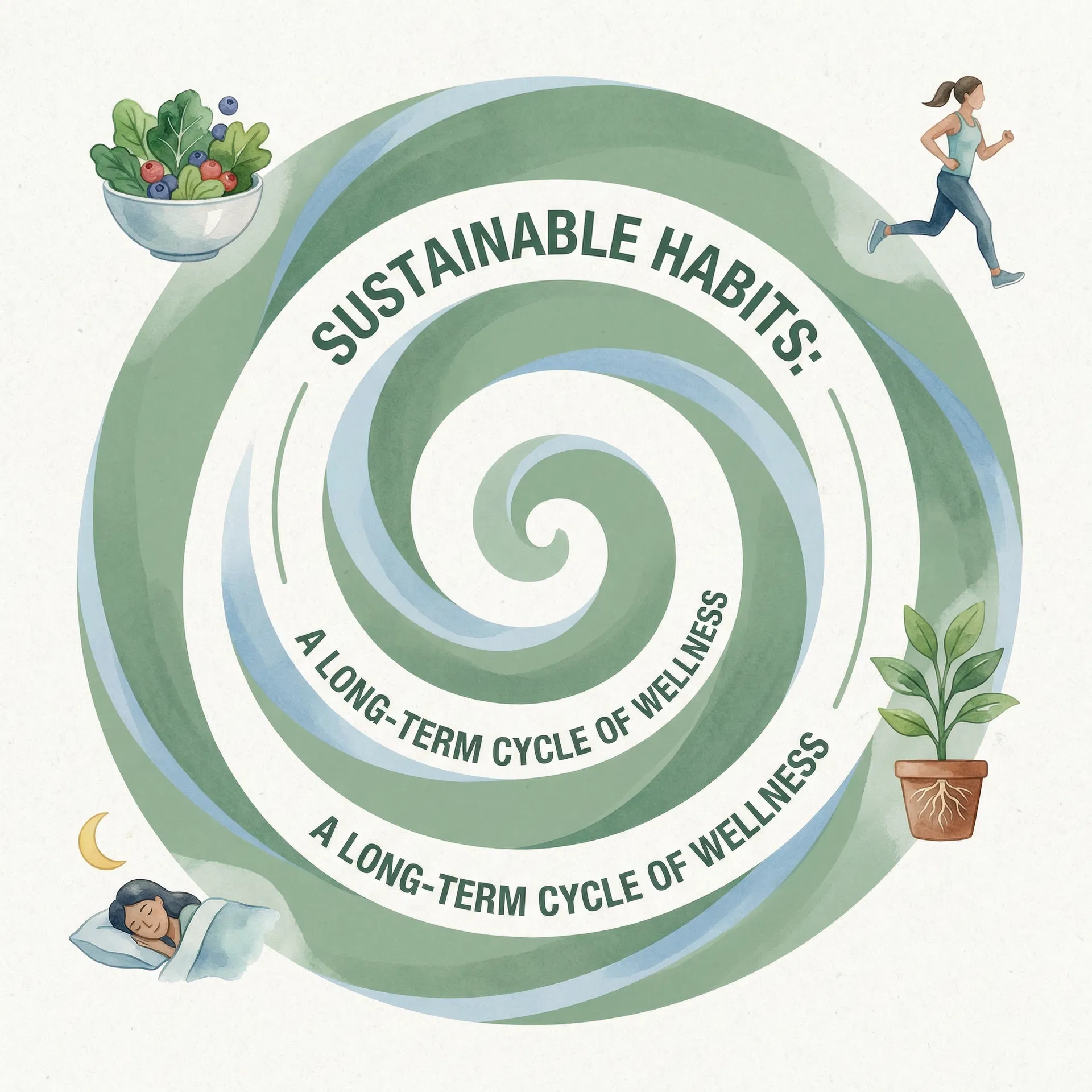
Sustainable weight loss comes from moderate, consistent changes. Focus on building healthy habits rather than extreme measures.
Disclaimer: The information provided on NutriWise is for educational purposes only and should not be considered medical advice. Always consult with a qualified healthcare professional before making significant changes to your diet or nutrition plan, especially if you have underlying health conditions or are taking medications.
More from Weight Loss
Explore related articles in the Weight Loss category

Explore Other Topics
Discover articles from different nutrition categories