Metabolism Explained: How Your Body Burns Calories
Metabolism Explained: How Your Body Burns Calories
Metabolism is the process by which your body converts food into energy. Understanding how it works helps you make informed nutrition decisions.
What Is Metabolism?
Metabolism encompasses all chemical processes that maintain life. It includes:
- Basal Metabolic Rate (BMR): calories burned at rest
- Thermic Effect of Food (TEF): calories burned digesting food
- Activity Energy Expenditure (AEE): calories burned through movement
Basal Metabolic Rate (BMR)
BMR is the number of calories your body burns at rest. It depends on:
- Age (decreases with age)
- Sex (men typically have higher BMR)
- Body composition (muscle burns more calories)
- Genetics
- Hormones
Factors Affecting Metabolism
Age
Metabolism naturally slows with age, approximately 2-8% per decade after 30.
Muscle Mass
Muscle tissue burns more calories than fat tissue. Building muscle through strength training increases BMR.
Hormones
- Thyroid hormones regulate metabolism
- Cortisol affects fat storage
- Insulin influences energy utilization
Nutrition
- Adequate protein supports muscle maintenance
- Nutrient deficiencies can slow metabolism
- Regular eating patterns support metabolic health
Boosting Metabolism
- Build muscle through resistance training
- Eat adequate protein
- Stay hydrated
- Get sufficient sleep
- Manage stress levels
- Include regular physical activity
Metabolism and Weight Loss
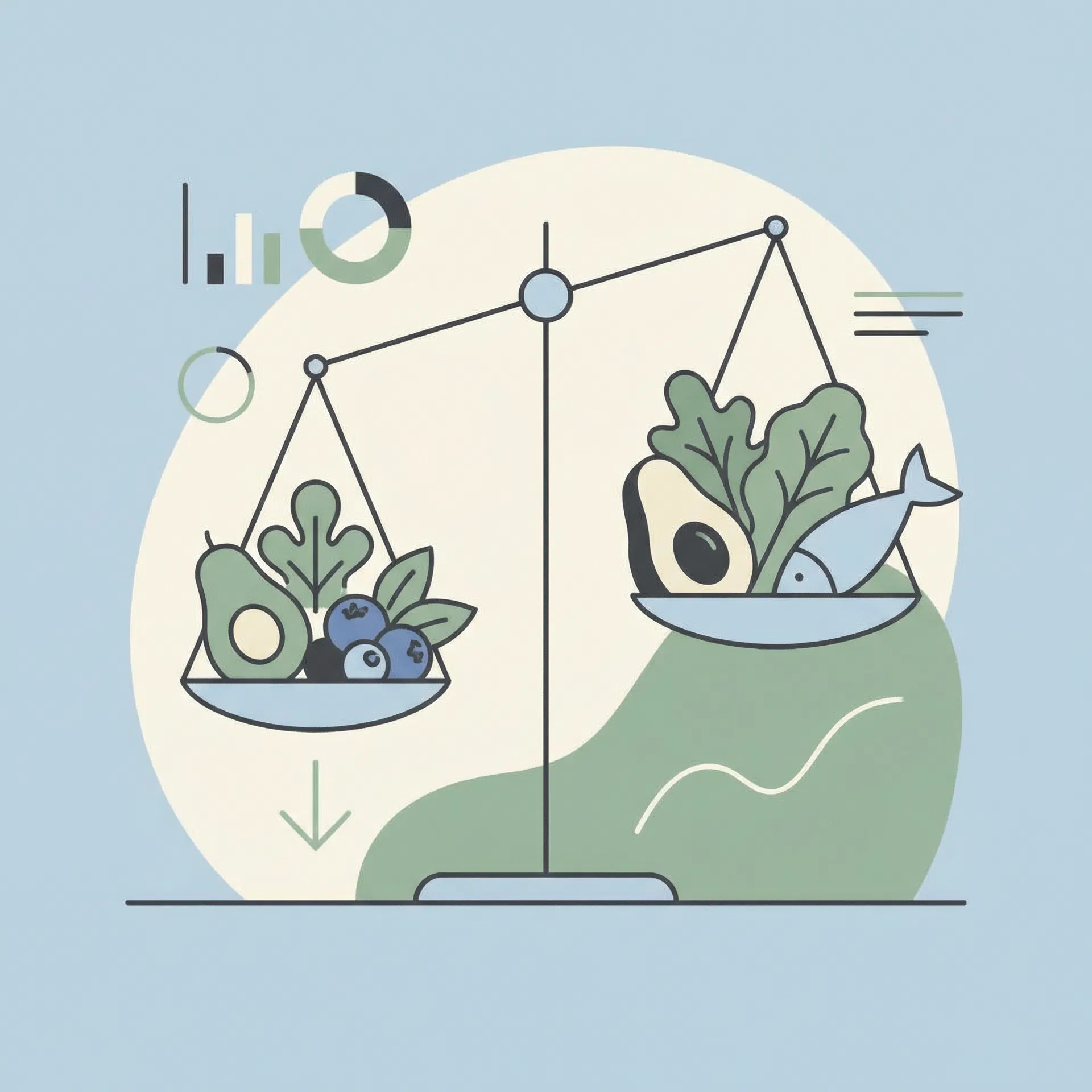
Understanding metabolism helps set realistic weight loss expectations. A moderate deficit combined with lifestyle changes produces sustainable results.
Conclusion
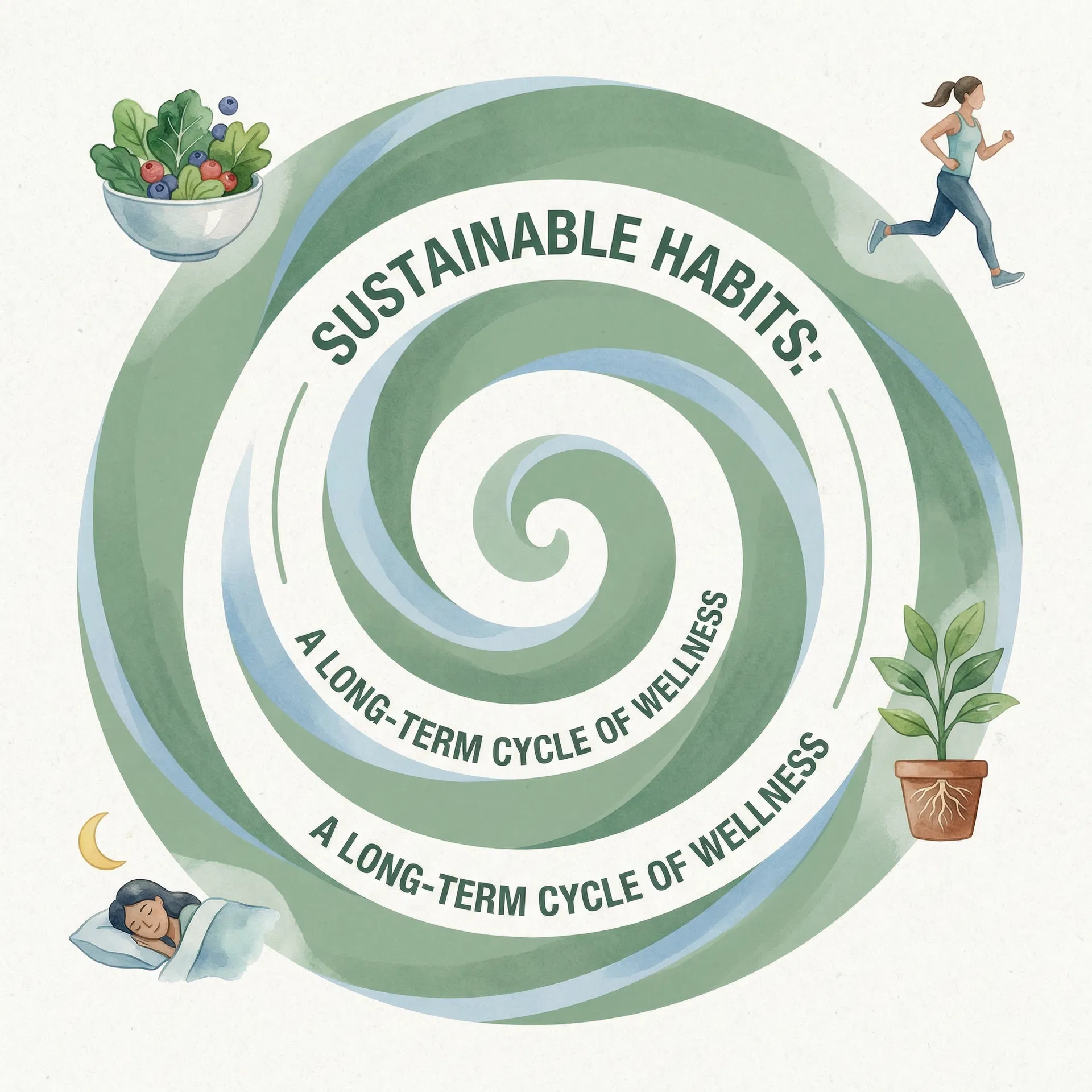
Metabolism is complex and individual. Rather than trying to "boost" it dramatically, focus on sustainable habits that support overall health.
Disclaimer: The information provided on NutriWise is for educational purposes only and should not be considered medical advice. Always consult with a qualified healthcare professional before making significant changes to your diet or nutrition plan, especially if you have underlying health conditions or are taking medications.
More from Weight Loss
Explore related articles in the Weight Loss category

Explore Other Topics
Discover articles from different nutrition categories