Understanding Macronutrients: Proteins, Carbs, and Fats Explained
Understanding Macronutrients: Proteins, Carbs, and Fats Explained
Macronutrients are the foundation of human nutrition. They provide energy and essential building blocks for your body's functions. Understanding how proteins, carbohydrates, and fats work can help you make informed dietary choices.
What Are Macronutrients?
Macronutrients are nutrients your body needs in large quantities. They include proteins, carbohydrates, and fats. Each plays a unique role in maintaining health and supporting bodily functions.
Proteins
Proteins are made of amino acids, which are essential for building and repairing tissues. They support muscle growth, enzyme production, and immune function.
- Sources: Meat, fish, eggs, legumes, nuts, dairy
- Daily needs: 0.8-1.0g per kg of body weight
- Benefits: Muscle maintenance, hormone production, immune support
Carbohydrates
Carbohydrates provide energy for your brain and muscles. They come in two main types: simple and complex.
- Simple carbs: Sugars, fruits, honey
- Complex carbs: Whole grains, vegetables, legumes
- Daily needs: 45-65% of total calories
- Benefits: Energy production, brain function, fiber source
Fats
Fats are essential for hormone production, vitamin absorption, and brain health. Healthy fats support cardiovascular function.
- Types: Saturated, unsaturated, trans fats
- Sources: Olive oil, nuts, fish, avocados
- Daily needs: 20-35% of total calories
- Benefits: Hormone production, vitamin absorption, satiety
Macronutrient Balance
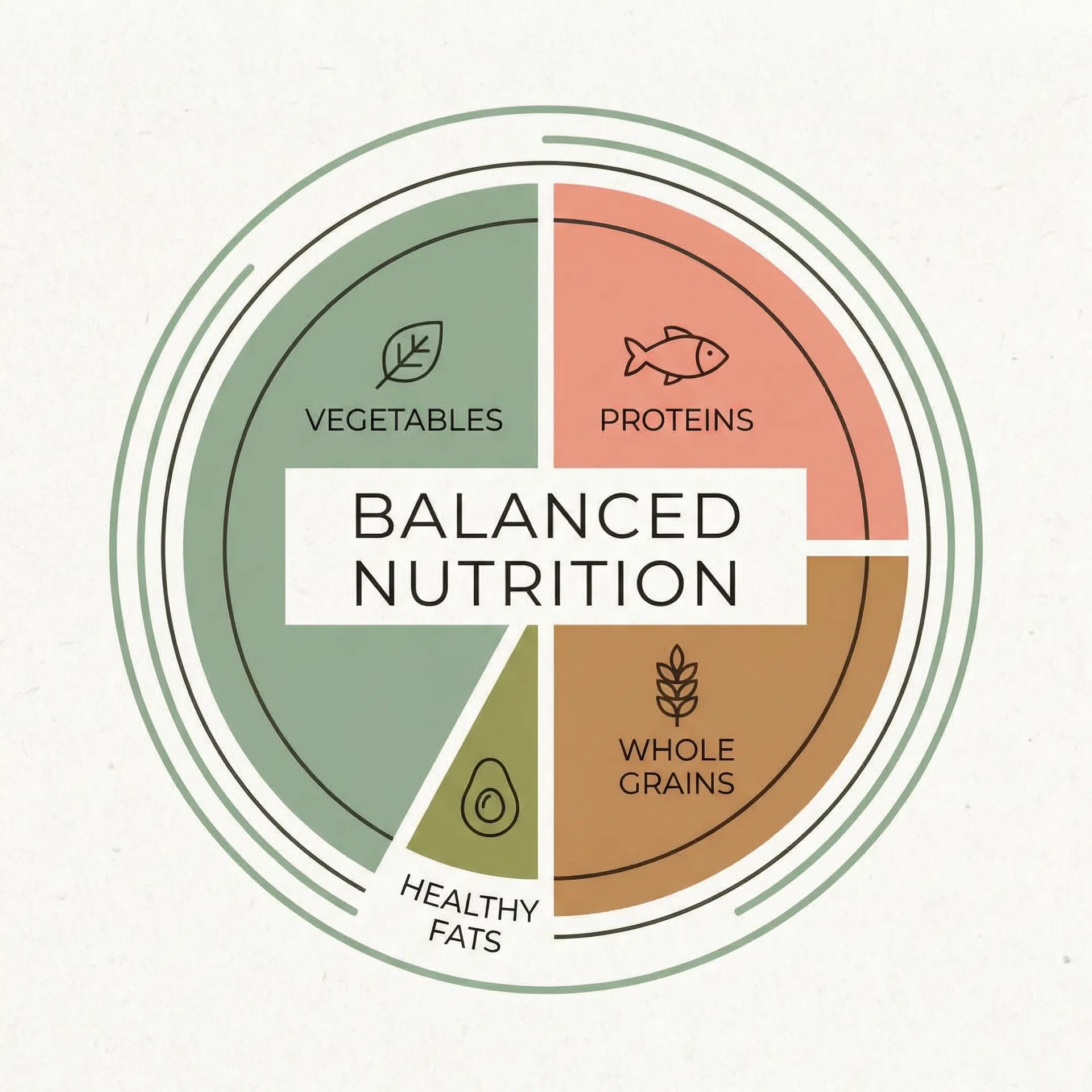
A balanced diet typically includes:
- 45-65% carbohydrates
- 10-35% proteins
- 20-35% fats
Individual needs vary based on activity level, age, and health goals.
Conclusion
Understanding macronutrients helps you create a balanced diet that supports your health and wellness goals. Consult a healthcare professional for personalized nutrition advice.
Disclaimer: The information provided on NutriWise is for educational purposes only and should not be considered medical advice. Always consult with a qualified healthcare professional before making significant changes to your diet or nutrition plan, especially if you have underlying health conditions or are taking medications.
More from Macronutrients
Explore related articles in the Macronutrients category

Explore Other Topics
Discover articles from different nutrition categories